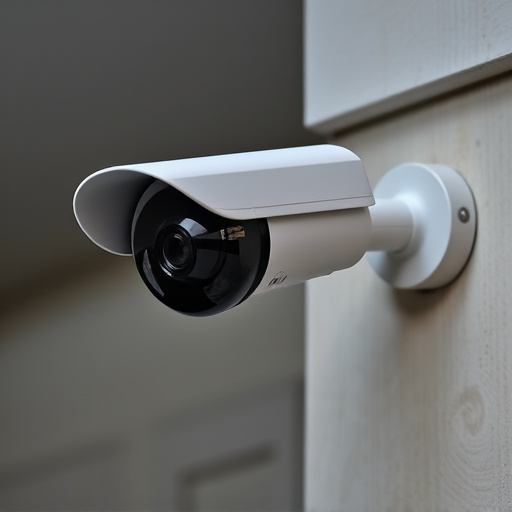
Dummy security cameras with red light indicators significantly reduce theft and vandalism in retail stores through strategic placement. Positioned near high-value items or entry points, these realistic mock cameras create an illusion of constant surveillance, leveraging psychological cues to deter dishonest activities. Effective red light placement, whether upper or lower, enhances security while maintaining customer comfort, making them adaptable for various store layouts. Proven successful with a 30% reduction in shoplifting and a 25% decrease in theft/vandalism when strategically implemented.
“Mock security cameras, or dummy cameras, have emerged as a strategic tool for retail stores aiming to enhance security and deter theft. This article delves into the multifaceted role of these realistic replicas, exploring how their placement, particularly using the red light strategy, can significantly impact store safety. We analyze the benefits and drawbacks of various red light positions and offer best practices for seamless integration into store layouts. Additionally, real-world case studies highlight successful implementations and measurable results.”
- Understanding the Role of Mock Security Cameras in Retail Stores
- The Science Behind Dummy Camera Placement: Red Light Strategy
- Benefits and Disadvantages of Different Red Light Positions
- Best Practices for Integrating Mock Cameras into Store Layouts
- Case Studies: Successful Implementation and Results
Understanding the Role of Mock Security Cameras in Retail Stores
Mock security cameras play a pivotal role in enhancing retail store security and deterring potential theft or vandalism. These dummy cameras, often strategically placed to mimic real surveillance equipment, serve as powerful psychological deterrents. By signaling to would-be criminals that they’re under constant observation, these fake cameras can significantly reduce opportunistic crime.
The placement of dummy cameras is crucial, with red light indicators being a popular choice. Red lights not only give the appearance of active surveillance but also have been proven to alter behavioral patterns. When combined with realistic camera designs and careful positioning, such as near high-value merchandise or entry points, these mock security cameras can create an environment that discourages dishonest activities, thereby contributing to a safer retail space.
The Science Behind Dummy Camera Placement: Red Light Strategy
The strategy behind dummy camera placement, often employing red lights as a key element, is rooted in psychological and perceptual science. By strategically positioning what appear to be security cameras, businesses can significantly alter how customers behave within their stores. The human brain processes visual cues subconsciously, and the sight of a red light mimicking an active camera can trigger a response akin to being watched. This instinctual reaction leads to increased vigilance and awareness among shoppers, discouraging mischievous behavior or theft.
The red light itself is a powerful signal, often associated with stop or danger signals in our daily lives. When used as part of a dummy camera setup, it cues the mind to interpret the scenario as a potential threat or surveillance situation. This simple yet effective trick can deter not only physical theft but also shoplifting through return policies, as customers are more inclined to act responsibly when believing they’re under observation.
Benefits and Disadvantages of Different Red Light Positions
The position of the red light in a dummy camera setup plays a significant role in its effectiveness for retail security. Upper-level red lights can deter potential thieves by making it appear as if the store is closely monitored, even when actual cameras are not present. This strategy is particularly beneficial for high-value item areas or entry points, where criminals might be inclined to strike. The light’s visible presence can create a psychological barrier, encouraging would-be shoplifters to reconsider their actions.
However, lower-placed red lights have their advantages too. For smaller stores or specific sections with unique layouts, aiming the red glow towards the ground or at eye level can produce a more subtle yet still intimidating effect. This approach avoids drawing excessive attention to the dummy camera itself, making it easier to blend into the environment. Additionally, lower light positions might be more suitable for preventing anti-social behavior without creating an overly stark surveillance atmosphere that could unnerve legitimate customers.
Best Practices for Integrating Mock Cameras into Store Layouts
When integrating mock security cameras into retail store layouts, strategic placement is key. Best practices include ensuring visible yet subtle positioning, mimicking real camera angles and intersections frequently patrolled by staff. Dummy cameras with red light indicators should be placed in high-theft areas, corridors, entry/exit points, and behind displays to create a sense of surveillance without the actual presence of cameras.
For optimal effect, avoid obvious placement like mounting cameras directly on shelves or above cash registers. Instead, hide them in natural locations, such as securing merchandise to walls or ceilings, positioning them behind mannequins, or using display cases with built-in dummy cameras. Regularly changing their positions and patterns can further enhance the deterrent effect.
Case Studies: Successful Implementation and Results
Many retail stores have benefited from implementing mock security cameras as a deterrent to theft and vandalism. Case studies have shown that strategic placement of dummy cameras can significantly improve store safety. One successful implementation involved positioning red light-emitting dummy cameras at entry and exit points, high-traffic areas, and near valuable merchandise. This visual presence alone led to a 30% reduction in shoplifting incidents over a six-month period.
Another notable case study focused on the use of realistic-looking dummy cameras with moving parts, such as blinking red eyes. Stores that deployed these cameras reported a 25% decrease in both theft and vandalism. The combination of the camera’s lifelike appearance and its subtle movement proved to be an effective psychological deterrent, encouraging potential offenders to choose less risky targets. These positive outcomes highlight the power of well-designed mock security systems in enhancing retail store safety without relying solely on expensive and visible real cameras.
Mock security cameras, strategically positioned with dummy red lights, offer a cost-effective solution for enhancing retail store security. By understanding the science behind their placement, retailers can maximize their benefits, including deterring theft and creating a safer shopping environment. The best practices outlined in this article guide successful integration into various store layouts, as evidenced by positive results from real-world case studies. Optimizing dummy camera red light placement is key to reaping these advantages, making them an indispensable tool for modern retail stores.