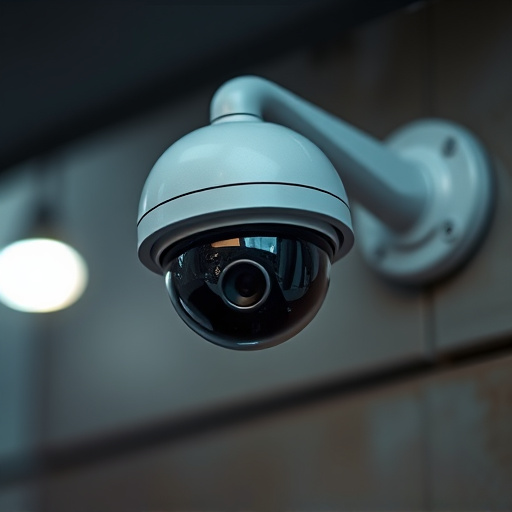
Dummy cameras with strategic red light placement are an effective and cost-efficient security measure against theft and vandalism. Realistic, unobtrusive positioning, combined with bright red lights triggered by motion sensors, creates a powerful psychological deterrent. This tactic, proven successful in retail, residential, and museum settings, discourages criminals by simulating constant surveillance.
In today’s digital era, securing valuable assets from theft is a constant concern. One innovative solution gaining traction is the use of dummy cameras, specifically those employing strategic red light placement. This article explores the power of these visual deterrents, delving into how their clever implementation can significantly reduce theft risks. We’ll uncover the science behind red light effects, provide practical strategies for optimal effectiveness, and share real-world success stories while highlighting common pitfalls to avoid.
- Understanding Dummy Cameras: A Visual Deterrent
- The Science Behind Red Light Placement
- Implementation Strategies for Optimal Effectiveness
- Real-World Success Stories and Common Pitfalls
Understanding Dummy Cameras: A Visual Deterrent
Dummy cameras, often called decoy or mock security cameras, are an innovative solution to deter theft and vandalism. Their primary function is to create a visual illusion, tricking potential criminals into believing that they are under constant surveillance. These cameras are designed to mimic real CCTV systems, with realistic features like red light indicators and lens shapes, making them highly effective as a deterrent.
Strategic placement is key to their success. Dummy cameras should be positioned in areas where theft is prevalent, such as entry points, windows, or valuable merchandise displays. The red light feature, when combined with realistic movement sensors, can further enhance the visual impact, triggering an alert that discourages would-be thieves. This simple yet powerful tool provides businesses and homeowners with a cost-effective way to boost security, acting as a psychological barrier against criminal activity.
The Science Behind Red Light Placement
The strategic placement of red lights in conjunction with decoy cameras is a psychological tactic rooted in human perception and response to color. Research shows that red, as a high-contrast color, draws immediate attention when combined with motion or change. This effect is leveraged in dummy camera systems to create a strong visual impact on potential thieves.
When a red light is activated by the decoy camera’s triggering mechanism, it serves as a warning signal, making the thief aware of their surveillance. The sudden illumination of a bright red light disrupts the culprit’s focus, creating a split-second hesitation that could be crucial in deterring theft. This simple yet effective technique capitalizes on our visual system’s tendency to prioritize and react to such contrasting stimuli, ultimately enhancing the overall security measure.
Implementation Strategies for Optimal Effectiveness
Implementing decoy cameras strategically is key to maximizing their effectiveness in deterring theft. One effective strategy involves the red light placement technique, where cameras are positioned to cast a bright red glow on potential targets. This unexpected visual deterrent can startle would-be thieves and alert nearby security personnel.
For optimal results, consider dummy camera placements that mimic real surveillance equipment. These decoys should be indistinguishable from genuine cameras, complete with lens caps or obstructions that obscure the view. By integrating these realistic mimics throughout high-risk areas, you create an atmosphere of constant surveillance, making theft attempts more risky and less attractive.
Real-World Success Stories and Common Pitfalls
In many real-world scenarios, decoy cameras have proven their effectiveness in deterring theft and securing valuable assets. Retail stores, high-end residences, and even museums have adopted this strategy with success. By strategically placing dummy cameras, often disguised as real ones, these institutions have significantly reduced incidents of vandalism and theft. The simple visual reminder of surveillance can act as a powerful psychological deterrent, encouraging potential perpetrators to reconsider their actions.
However, for maximum impact, proper placement is crucial. Simply mounting decoy cameras without careful consideration may not yield the desired results. Common pitfalls include obvious placement, which can be quickly noticed by would-be thieves, and lack of red light or infrared functionality, as real cameras’ glow can give them away. Effective dummy camera setups should mimic real surveillance systems, utilizing subtle red lights to blend in with ambient lighting and ensure a realistic appearance, especially when viewed from certain angles.
Dummy cameras, with their strategic red light placement, have proven to be a powerful visual deterrent against theft. By implementing these devices in high-risk areas, businesses can significantly reduce security risks and protect valuable assets. The science behind their effectiveness lies in the psychological impact of surveillance, making potential thieves think twice before attempting any dishonest acts. While success stories abound, it’s essential to learn from common pitfalls, ensuring optimal placement and maintenance for maximum results. With the right approach, dummy cameras can revolutionize security measures and foster a safer environment.